

What those Scale Weight Fluctuations Mean for Your Progress

If you’ve ever stepped on the scale after a weekend of indulgence and seen a sudden jump in your scale weight, you might have felt panic or frustration. “That can’t be right… I just gained 4 lbs overnight?” Sound familiar?
You might immediately blame yourself for the extra slice of pizza or those fries you enjoyed. But here’s the truth: that scale jump has nothing to do with you gaining fat. It’s actually your body reacting to other factors, like water retention, and has little to do with your overall fat loss progress.
In this post, we’ll dive deep into why the scale might not be moving, or might suddenly spike, and why this doesn’t necessarily mean you’re off track. You’ll also discover why it’s crucial to focus on fat loss over just the number on the scale, and learn the key indicators that show you’re making real progress, even when the scale isn’t cooperating.
And if you’d like to understand how to actually lose fat and get a load of meals to help you with a fat loss goal, get my free ebook “meals for abs” here (completely free).
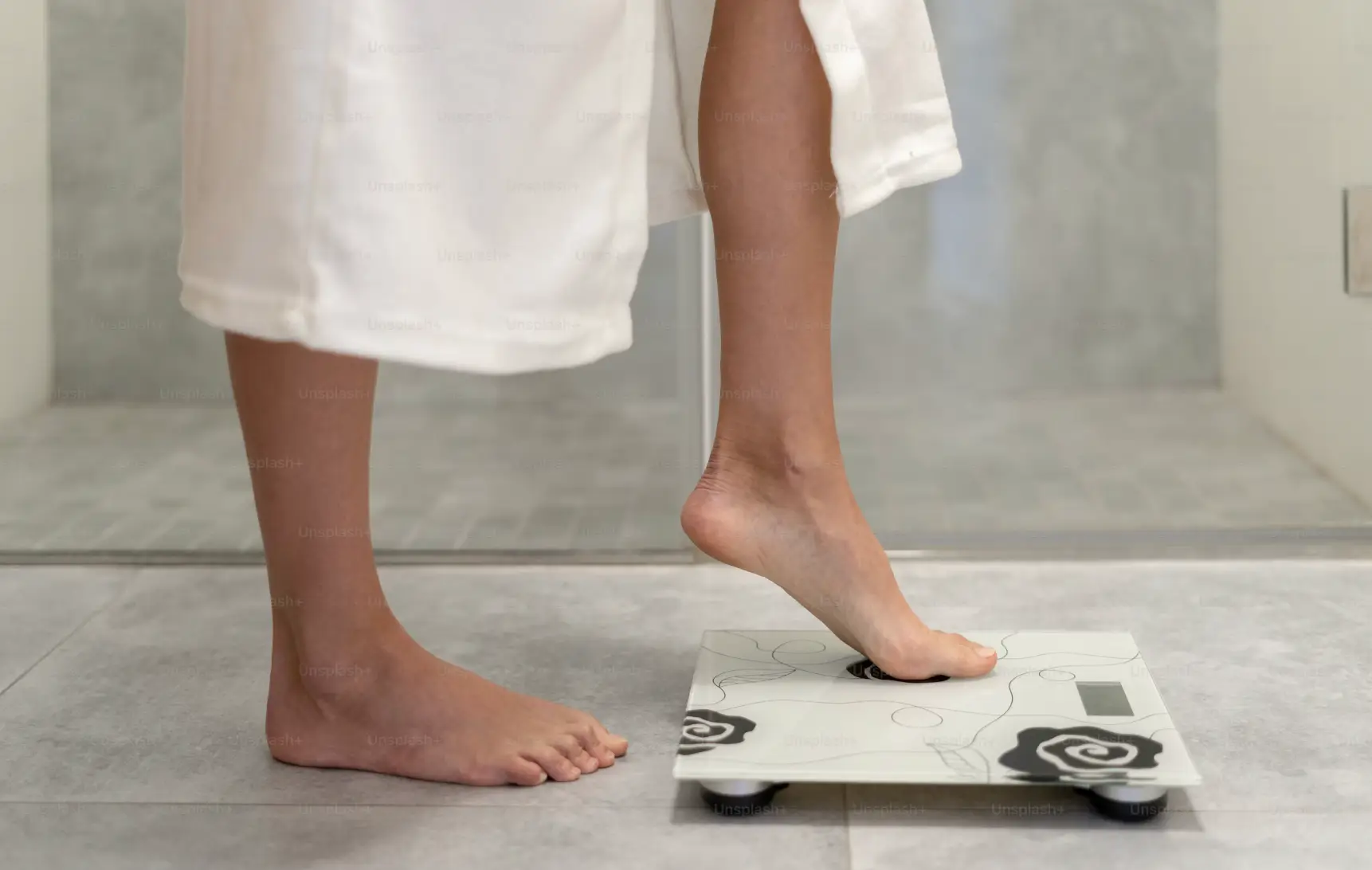
The Great Carb Conundrum: Why the Scale Spikes After a Carb-Heavy Meal
You might have noticed that after eating a carb-rich meal, the number on the scale shoots up the next day. This phenomenon often leads people to believe they’ve gained actual body fat overnight. But here’s the good news: you haven’t.
Your body is a lot like a sponge when it comes to carbs. When you eat carbohydrates, your body stores them as glycogen, which gets stored in your muscles and liver for energy. For every gram of glycogen stored, your body holds onto approximately 3-4 grams of water (there’s a hint in the name – carbo HYDRATE). This is why after a carb-heavy meal like pizza or pasta, your weight can spike up by several pounds overnight. But that’s not fat—it’s just water weight being held by the glycogen stored in your body.
Think of it this way: if you dip a sponge in water, it soaks it all up, gets heavier, and looks a bit bigger. But is the sponge itself changing? No—it’s just holding onto extra water. Once you wring out the sponge, the water is gone, and it’s back to its usual size and weight.
Your body works similarly after eating carbs. As soon as you burn off that glycogen (by simply living your life, walking around, working out), the water weight comes off, and the scale will return to its normal range.
It’s Not Just Carbs: How Salt and Portions Play a Role
Carbohydrates aren’t the only reason the scale might jump. Another factor that can cause temporary weight gain is sodium. Eating saltier foods than usual can cause your body to retain more water, just like when you eat carbs. So if you’re having a cheat meal that includes not just carbs, but salty fries, pizza, or processed foods, you’re in for a double whammy of water retention.
Larger-than-normal portion sizes also play a role. After a big meal, it’s important to remember that the food is still in your system, so the scale is also reflecting the weight of the food that hasn’t been digested yet. Combine extra carbs, extra salt, and a larger-than-usual portion size, and it’s easy to see a 3-5 lb weight jump after one night. But again, this is not fat gain—it’s simply a temporary shift in water and food weight.
You Haven’t Gained Fat, So Don’t Panic
It’s easy to see the scale jump and assume the worst, but it’s crucial to remember that your body composition hasn’t changed. You haven’t gained fat, and your progress hasn’t been undone by one meal or even a weekend of indulgence.
Let’s say the scale shows a 4 lb increase overnight. In reality, you’d have to consume an extra 14,000 calories beyond your maintenance level to gain 4 lbs of fat in one day (since 1 lb of fat equals approximately 3,500 calories). Eating an extra 14,000 calories in one meal is nearly impossible, so this weight gain is due to water, glycogen, and the food still in your system.
The Scale Isn’t the Only Measure of Progress
One of the biggest mistakes people make when trying to lose weight is relying solely on the scale to measure their progress. The scale doesn’t tell the full story, and focusing only on that number can lead to unnecessary stress and self-doubt. Here are a few other signs you’re making progress, even if the scale isn’t moving:
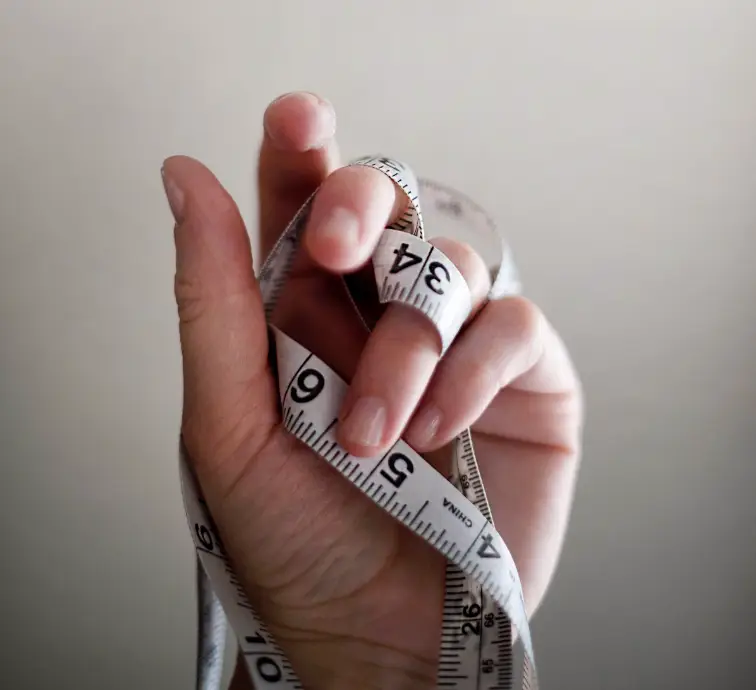
1. You’re Losing Inches
The number on the scale might not be dropping, but if your clothes are fitting better and you’re losing inches around your waist, hips, or thighs, then you’re making progress. This is a sign that you’re losing fat and potentially building muscle, even if the scale hasn’t caught up yet.
2. Your Strength is Improving
If you’re lifting heavier weights or doing more reps with the same weight, it means you’re gaining muscle. Muscle is denser than fat, so even if the scale doesn’t move, your body composition is improving, and you’re becoming stronger. You obviously need to be resistance training to see this effect. This is highly recommended because without resistance training it’s more likely that you’ll lose muscle along with fat. If you need some routines to follow (at home or the gym) you can grab my Ultimate Workout Bundle here, for free.
3. You Have More Energy
When you’re in a calorie deficit or cutting back on junk food, it’s normal to feel more sluggish at first. But over time, as your body adapts to your new habits, you’ll notice a significant increase in energy. If you feel more energetic throughout the day, that’s a big win. Caveat here – if your calorie deficit is too large you will feel very low on energy – but if this is the case then you will probably be seeing the scale moving down quickly!
4. You’re Feeling More Confident
Confidence comes from sticking to your plan and seeing small wins, whether it’s fitting into a smaller size, getting through a workout more easily, or simply feeling better in your skin. Thinking you look better will breed confidence, and if you’re feeling more confident, you’re moving in the right direction.
5. You’re Sleeping Better
Improved sleep is another sign that your fitness and nutrition habits are working. If you find that you’re falling asleep faster, staying asleep longer, and waking up feeling more refreshed, you’re likely on the right track.
6. Your Body Composition is Changing
As you build muscle and lose fat, your body composition will change—even if the scale doesn’t reflect it right away. Using methods like progress photos, body measurements, or body fat percentage readings can give you a better understanding of how your body is changing, beyond just weight.
7. Better Mood and Less Stress
Mental health is a huge indicator of progress. If your fitness routine and healthier eating habits are improving your mood and helping you handle stress better, you’re achieving something more valuable than any number on the scale.
Why Focusing on Fat Loss Over Weight Loss Is Key
It’s easy to get caught up in the idea that losing weight is the ultimate goal, but losing fat is what you should focus on. Weight loss can include losing water, muscle, or even bone density, whereas fat loss means you’re preserving your muscle mass while reducing excess body fat.
Here’s why this distinction is important:
1. Muscle is your metabolism’s best friend – The more muscle you have, the more calories you burn, even at rest. So, if you’re losing muscle along with fat, your metabolism will slow down, making it harder to keep the weight off in the long term.
2. Losing fat improves body composition – By focusing on fat loss, you’re ensuring that your body looks leaner, stronger, and more defined. You might not weigh much less, but you’ll feel and look completely different.
3. Fat loss is sustainable – Crash dieting to lose weight quickly often results in muscle loss, water loss, and fat loss. But when you focus on fat loss through a sustainable, balanced approach (like a moderate calorie deficit, strength training, and keeping protein intake high), you’re setting yourself up for long-term success.
Stop Chasing Quick Fixes (Like Cutting Carbs)
Cutting carbs can lead to a quick drop on the scale, but it’s a temporary fix. Cutting carbs leads to rapid water loss, which can give the illusion of fat loss. But as soon as you reintroduce carbs, the water weight comes back, and so does the scale spike.
What you need is a sustainable approach that allows you to enjoy carbs and still lose fat. Carbs aren’t the enemy—they’re a key energy source. The real solution is finding a plan that works for your lifestyle and ensures long-term fat loss while letting you eat foods you love, like carbs.
Consistency Over Perfection
Too many people focus on perfection when what really matters is consistency. You don’t need to follow a flawless diet, avoid carbs forever, or be at the gym seven days a week to make progress. In fact, aiming for perfection often leads to burnout and frustration.
If you’re staying consistent with your workouts, hitting your nutrition goals most of the time, and focusing on small, incremental improvements, you’re making progress. The occasional indulgence or cheat meal won’t undo all your hard work as long as you get back on track and maintain your overall habits.
Final Thoughts
The next time you see the scale jump after a meal out, don’t freak out. Remember, it’s likely just water weight from carbs, salt, and extra food in your system. Focus on the bigger picture—losing fat, not just seeing the scale drop.
Real progress happens when you stick to a plan that’s sustainable, lets you enjoy carbs, and focuses on fat loss over temporary weight changes. If you’re tired of chasing quick fixes and want to make lasting changes, it’s time to shift your mindset and focus on what really matters: fat loss, not just the number on the scale.
If you’re ready to stop obsessing over the scale and start seeing real results, my Fit Legacy Program is designed to help busy parents like you drop fat while still enjoying carbs, staying on track, and building a legacy of health for your family.